Baby naps: how many and how long in each phase
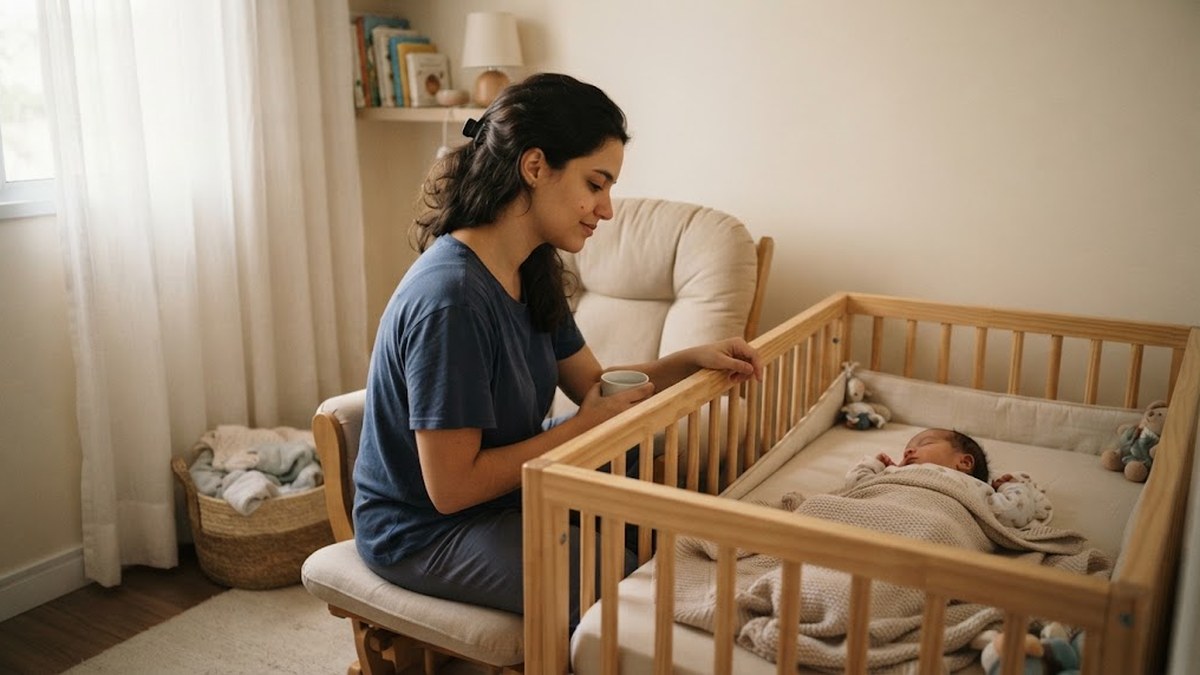
When a baby is born, we quickly learn that their sleep is split into pieces, and that these pieces change in size and number almost every week. At first I got lost counting my baby’s naps and thinking I was getting everything wrong. Over time I understood that there is no magic number, there is a phase.


Why baby naps change so much
A newborn’s sleep is different from an adult’s sleep. They spend a lot of time in light sleep, the kind in which any noise wakes them. That is why the baby sleeps, wakes up, nurses and goes back to sleep several times a day. As the brain matures, the periods of sleep get longer and the naps start to merge, until fewer remain but with more quality.
This path is not a straight line. There are weeks when the nap works beautifully and weeks when everything falls apart because the baby is growing, learning to roll over, sitting up or going through a developmental leap. If you feel that everything was right and suddenly changed, it is probably not you doing it wrong, it is the baby changing phase.
How many naps a baby usually takes in each phase
The numbers below are general references. Each baby has their own rhythm and the most important thing is to observe their behavior, not the clock.
- Newborn up to 3 months: sleep spread throughout the day, with no fixed naps, usually between 4 and 6 short blocks.
- 3 to 6 months: the routine begins to take shape, usually with 3 to 4 naps a day.
- 6 to 9 months: usually 2 to 3 naps remain, with the morning one shorter.
- 9 to 15 months: often 2 naps, with the afternoon one the longest.
- 18 months onward: the tendency is a single nap, in the early afternoon.
If the baby takes short naps but wakes up well, active and nursing properly, they are probably on their own path. If they wake up crying a lot and irritable, it may be worth adjusting the wake windows.
Signs that the baby is ready for a nap
The famous overtiredness happens when we try to put the baby to sleep too late. They get so tired that the body produces more energy to keep going, and then the nap becomes a struggle. A few signs that the time is coming:
- repeated yawning and a more fixed stare;
- rubbing the eyes or pulling at the ear;
- becoming quieter, less interested in toys;
- irritability that appears out of nowhere after a period awake.
Noticing these signs early helps much more than waiting for intense crying. A good reference is to observe how long the baby stays awake comfortably and to work with a margin before that, which fits quite well with the sleep routine by age.
What usually disrupts the nap
Some everyday things mess up naps more than we imagine:
- Too much stimulation before bedtime, like bright light, screens and many people talking nearby.
- A room that is too bright or noisy, which makes it hard to stay asleep after the first waking.
- Wake windows that are too long, when the baby becomes overtired and restless.
- Hunger, especially in the first months, when feeds are still frequent.
If the baby nurses at short intervals, this also disrupts naps. It is worth understanding their rhythm at this point, and the text on why your baby nurses all the time helps separate hunger from the need for comfort.
Practical tip: before the nap, always repeat the same short sequence, like changing the diaper, dimming the light and quietly singing the same song. In a few weeks the baby learns that this set of cues means sleep is coming. The sequence works better than getting the exact time right.
How to adjust without turning it into a battle
When naps fall apart, the way is to change one thing at a time and wait a few days before changing everything again. Start with the times, keeping naps in similar windows every day. Then take care of the environment, darkening the room and keeping a constant, gentle noise. Finally, adjust the last nap of the day so that it does not end so close to nighttime sleep.
Babies who sleep well during the day usually sleep better at night. This is not a rule, but the logic helps: a rested baby reaches the end of the day less irritable, and it becomes easier for them to fall asleep. Many people think that cutting the nap makes the baby sleep more at night, and usually the opposite happens. To understand how this process completes itself, it is worth reading about when the baby starts to sleep through the night.
Frequently asked questions about baby naps
Will a baby who only sleeps in arms learn to sleep alone?
Yes, with time and repetition, and you do not need to let the baby cry for that. You can start putting them in the crib already drowsy but still awake, and gradually increase the time. In the first months, being held is normal and part of development.
Can I wake the baby so it does not disrupt the night?
You can, as long as you do it carefully. If the last nap is ending very close to the nighttime bedtime, shortening that nap can help. Avoid waking the baby from a long nap if they are very tired or sick.
Is a short 30-minute nap a problem?
Not always. Short naps are common up until around 6 months, because the baby still cannot connect one sleep cycle to the next. If they wake up well and nurse properly, everything suggests it is fine. If they wake up crying a lot, try to calm them and offer a new sleep window.
Baby naps are a puzzle that is solved by observation, not force. Look at your baby, adjust the environment and trust their rhythm. If you have any doubts about sleep, health or weight gain, always talk with the pediatrician, because each baby has particularities that only those who follow them closely know.
Ferramentas grátis para esta fase
- Calculadora de idade gestacional e data do parto Descubra em quantas semanas você está e a data provável do parto.
- Contador de contrações (trabalho de parto) Cronometre a duração e o intervalo das contrações.
- Calculadora de IMC (e ganho de peso na gravidez) Calcule o IMC e veja a faixa de ganho de peso de referência.