Postpartum hair loss: why it happens and what really helps
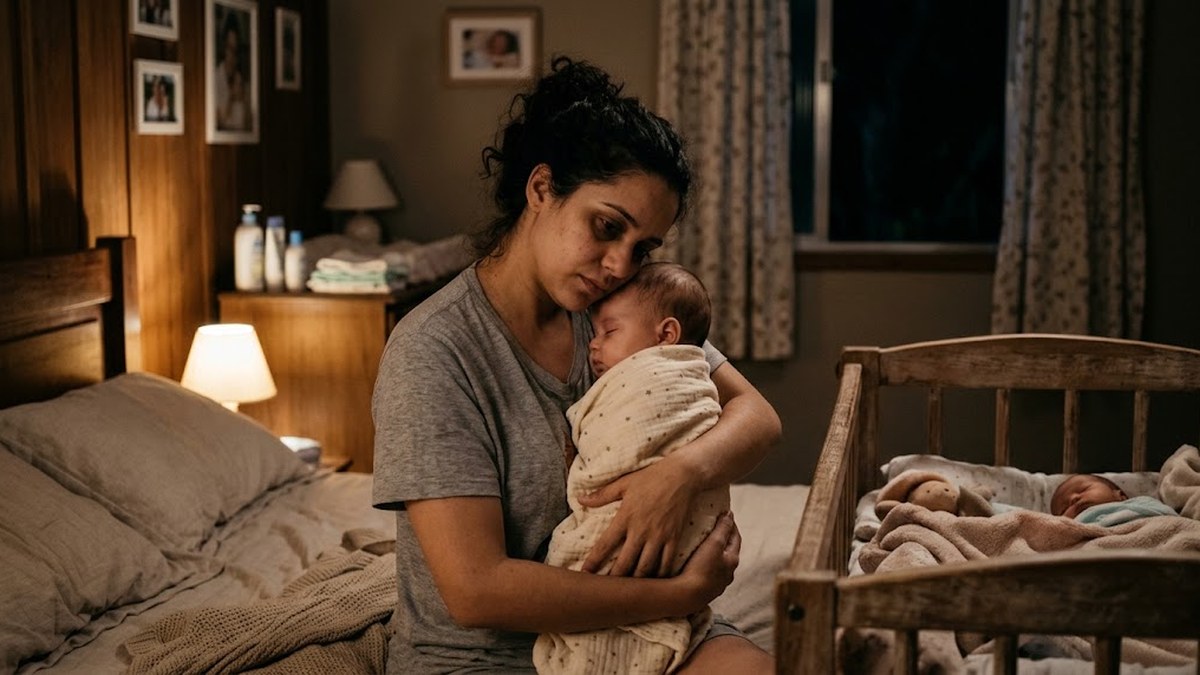
When my son was about four months old, I started finding strands of hair everywhere. On the pillow, in the shower drain, wrapped around my arm after changing a diaper. The brush came back with tufts, and I panicked, thinking I would go bald. No one had warned me that postpartum hair loss would frighten me so much, even though it is such a common phase among women. In this text I want to share what I went through, what I talked about with other mothers and what makes sense in everyday life. I am not a doctor or a dermatologist, so treat everything here as the experience of someone who went through this and as a starting point for you to talk with someone who knows.


Why hair falls out so much after childbirth
During pregnancy, many people notice fuller, shinier and even longer hair. I used to get compliments myself. The most repeated explanation is that the hormonal changes of this period keep the strands in the growth phase for longer, so they barely fall out. It is not that the hair grows more, it is that it stops falling at the normal rate.
After childbirth, hormones change again and all that hair that had been held back starts to be released at once. It is like an accumulated delay that decides to leave all together. That is why the shedding seems so exaggerated: it is not new hair falling, it is old, delayed hair. Understanding this calmed me down a lot, because when I realized it was expected, I stopped feeling like something was wrong with me.
When postpartum hair loss starts and how long it lasts
For me, the shedding showed up around the third to the fourth month after the birth. Talking with friends, I heard similar stories, sometimes a little earlier, sometimes a little later. Every body has its own timing, and that is neither a delay nor a sign of a problem.
The good part is that most women notice the shedding slowing down on its own over the following months, until the hair returns to a calmer rhythm. There is no button that turns it off from one day to the next. It is a slow recovery, and I had to learn to wait without counting every strand that fell.
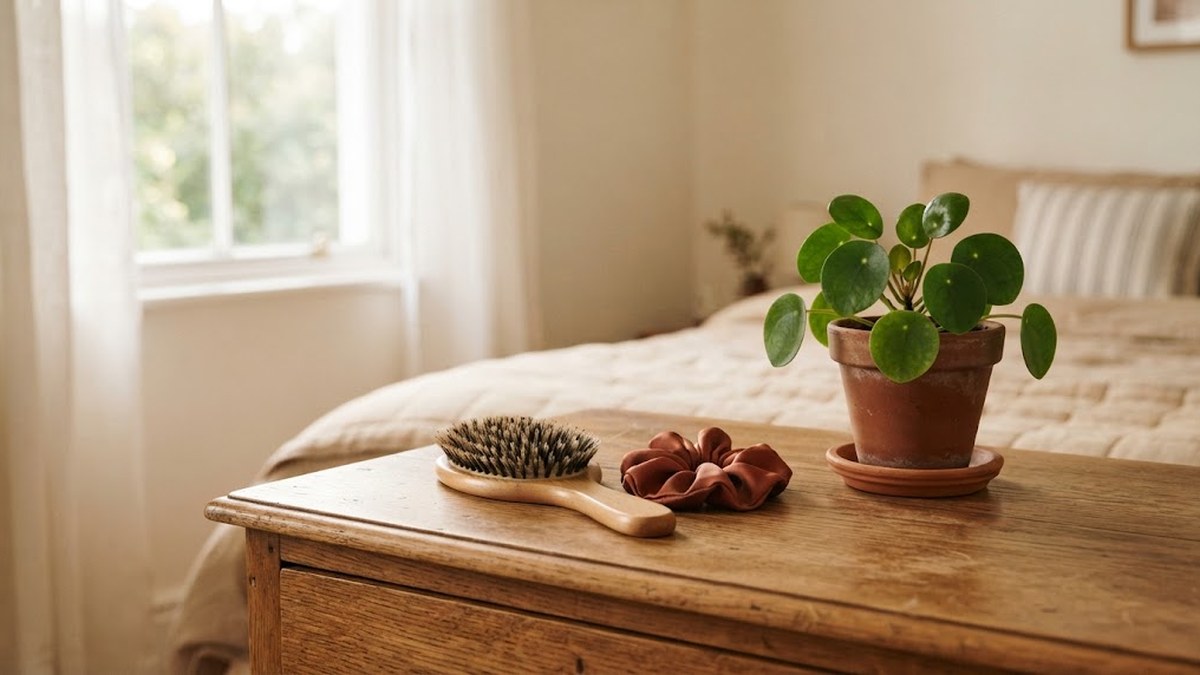
Practical tip: swap your hard-bristle brush for one with softer bristles and brush your hair once it is dry, always starting at the ends and working your way up little by little. This reduces breakage on the days of heaviest shedding and keeps you from pulling out strand after strand without noticing.
What really helps with postpartum hair loss
There are several simple things that make a difference during this period:
- Wash your hair as often as you feel you need to. Holding your hair back out of fear of washing it does not stop any shedding.
- Avoid tight clips, thin elastics and forcing the roots in the same spot every day.
- Lower the temperature of the dryer and keep it farther from the roots.
- Avoid harsh chemicals, strong straightening and aggressive dye in the months of heaviest shedding.
- Take care of your diet and drink water, remembering that this supports your whole body, not just your hair.
If you are breastfeeding and worry about how your body responds during this period, it is worth reading the content on breastfeeding in the first days. I only understood how busy the body is in this phase after living through all of it.
What makes no difference and what can make it worse
Cutting your hair very short is the promise I heard the most. A haircut does not stop the shedding, but it can give a feeling of stronger hair and, honestly, it helps you deal with self-esteem when the volume drops. It is not a cure, it is comfort.
Anti-shedding shampoo from the supermarket shelf can give a nice feeling of care, but do not expect it to solve the situation on its own. More important than the label is not making things worse with unnecessary aggression, like a hot brush on the roots, straightening right on top of the shedding and too many chemicals at once. If something promises to stop the shedding in a week, be suspicious. The body has its own rhythm.
Diet and rest as a foundation
There is no magic food, but eating a varied diet helps the body rebuild itself after a pregnancy and a birth. Good sources of protein, vegetables, fruits and grains are part of this care. It is also worth remembering that poorly slept nights are part of the phase, but everything you can do to rest while the baby sleeps has real value. For recipes with ingredients you probably already have at home, take a look at homemade hair loss remedies.
When to seek professional help
Postpartum shedding is usually temporary, but it is important to observe the whole picture. If you notice round bald patches on your scalp, intense itching, flaking, shedding that does not improve after many months, or if you feel very tired along with other symptoms, it is worth booking an appointment. A dermatologist can evaluate iron, thyroid and other causes that may be mixed in with postpartum shedding.
I waited longer than I should have to talk with a professional, out of pure fear of seeming like I was exaggerating. Today I would do it differently. If your body is asking for attention, listening is always the best path. And remember that the postpartum period affects much more than your hair. If you want to understand this stage better, there is a text about the postpartum belly that can help you see the whole picture.
Frequently asked questions
Is postpartum hair loss normal?
Yes, it is a very common phase among women after childbirth. In most cases it happens because of hormonal changes and eases over time. Even so, every body has its own rhythm, and it is worth monitoring with professionals if something seems off from what is expected.
Does cutting your hair solve the shedding?
No. A haircut does not stop the strand from falling, because the shedding comes from the root and the growth cycle. What it does is give a feeling of more volume and make daily care easier, which helps a lot with self-esteem during this phase.
Does breastfeeding make more hair fall out?
Breastfeeding is not the cause of postpartum shedding. What happens is that the postpartum period and hormonal changes coincide with the time when many women breastfeed. Feeding the baby and your own body at the same time takes energy, so taking care of your diet and rest remains important.
If today you look at the pillow and feel a tightness in your chest, I want to tell you that it is understandable and that it passes. Take care of the basics, avoid aggression and do not hesitate to ask for help when you need it. Your hair and your body are going through a huge transformation along with you.
Ferramentas grátis para esta fase
- Calculadora de idade gestacional e data do parto Descubra em quantas semanas você está e a data provável do parto.
- Contador de contrações (trabalho de parto) Cronometre a duração e o intervalo das contrações.
- Calculadora de IMC (e ganho de peso na gravidez) Calcule o IMC e veja a faixa de ganho de peso de referência.