Baby blues or postpartum depression? How to tell them apart
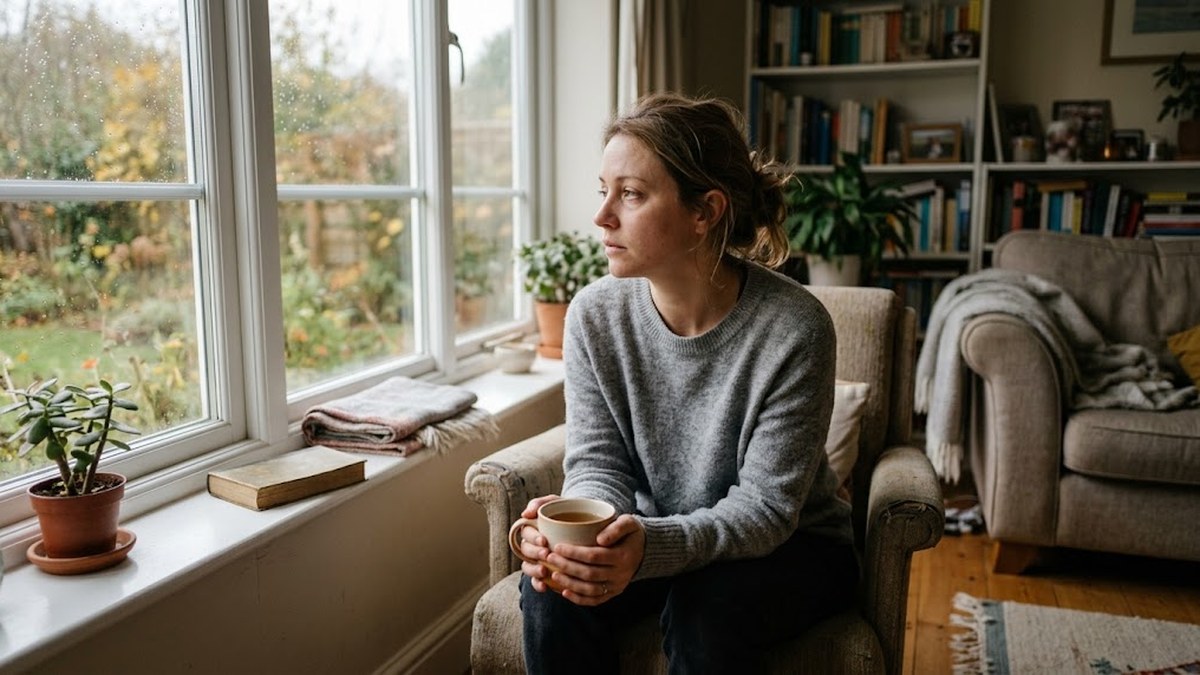
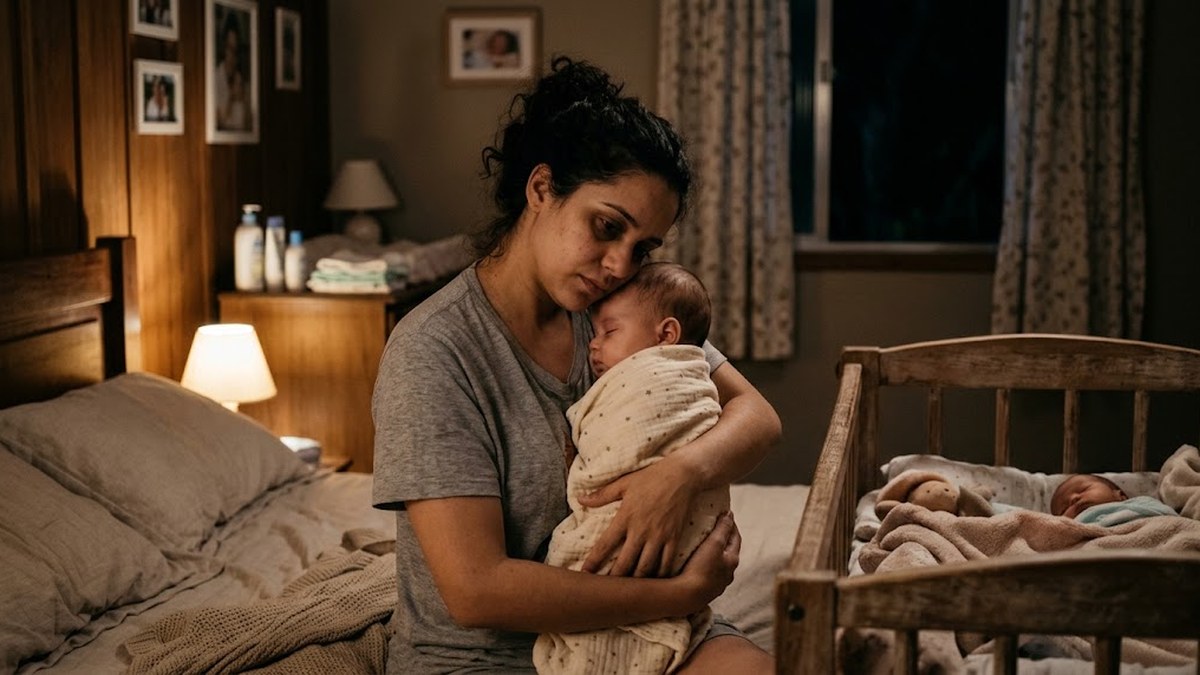
There’s a specific night during my postpartum that I never forget: I was crying without being able to explain why, with the baby sleeping in my arms, and I felt guilty for not being happy all the time. Much later I would understand that it has a name. Baby blues and postpartum depression are two different things, and knowing how to tell them apart helps a lot, without guilt and without self-diagnosing.


In this text I talk about what usually characterizes each one, what helps and when to seek professional help. It isn’t an evaluation or a diagnosis. Only whoever follows your health can safely say what you have.
What baby blues is
Baby blues is a mild and passing emotional discomfort that appears in the first days after childbirth. It’s related to the sharp drop in hormones, to tiredness and to adapting to a life that turned upside down in a matter of hours.
It usually appears between the second and fifth day and tends to ease within about two weeks. It comes as easy crying, irritability, being emotionally raw and a sadness that comes and goes. Although uncomfortable, baby blues is common and usually resolves with support, rest and time.
What characterizes postpartum depression
Postpartum depression is different. It isn’t weakness or a lack of willpower, it’s a health condition that affects mood and the ability to function day to day. It can begin in the first weeks or months and, without treatment, tends to drag on.
In general the signs are more intense and longer lasting than those of baby blues, and they get in the way of real life: caring for the baby, eating, sleeping and relating to others. The point no one talks about is that postpartum depression doesn’t choose a mother, has nothing to do with loving or not loving your child and can happen even when everything seemed planned. It appears within a greater suffering that runs through the first 40 days of the postpartum period.
Main differences between the two
A simple way to look at the difference is to compare intensity, duration and impact on daily life.
| Point | Baby blues | Postpartum depression |
|---|---|---|
| When it appears | First days | Weeks or months |
| Duration | Up to about two weeks | Persists and may get worse |
| Intensity | Mild, comes and goes | Constant and intense |
| Impact | You can keep up with the routine | It gets in the way of caring for yourself and the baby |
The table is just a support to organize your thoughts, not a test. If you recognize the picture below and it keeps going, that alone is reason enough to ask for help, without waiting for it to get worse.
What helps and what doesn’t
Recovery doesn’t depend on willpower or on hiding what you feel. It depends on real care and a support network.
- Talking without fear of judgment: telling someone you trust lightens the weight of silence.
- Seeking a professional: a psychologist, an obstetrician and CAPS are safe doors to care.
- Sleeping when possible: short but uninterrupted sleep helps your mood.
- Accepting help: sharing tasks and letting someone care for the baby for a while.
- Keeping your bonds: avoiding isolation, which usually makes things worse.
What doesn’t help: blaming yourself for being sad, comparing yourself to other mothers, hiding your suffering for fear of criticism or believing that it will pass no matter what. The myth of the perfect mother doesn’t help either, and it shows up when talking about the things no one tells you about being a mother.
When to seek professional help
There’s no line you have to cross alone to deserve care. Even so, some signs ask you to seek support without waiting.
- Sadness, anxiety or irritability that don’t go away and get worse over time.
- Loss of pleasure in things you used to enjoy.
- Difficulty sleeping even with the baby sleeping, or sleeping too much.
- A feeling of being incapable, of emptiness or of being disconnected from the baby.
- Thoughts of hurting yourself or hurting the baby.
If any of these signs appear, talk today with a professional or with someone you trust. Breastfeeding and the bond with the baby also feel this tiredness, and caring for the mother is caring for everything, as the topic of breastfeeding in the first days reinforces.
Frequently asked questions about baby blues and postpartum depression
Does baby blues always progress to postpartum depression?
No. Most women go through baby blues and improve on their own in about two weeks. When symptoms get worse, last longer or get in the way of your routine, it’s time to seek a professional evaluation.
Does postpartum depression mean I’m a bad mother?
No. It’s a health condition, not a character flaw, and it has nothing to do with how much you love your child. Many mothers who face this are caring and present. What defines it isn’t guilt, it’s the need for care.
Can I have postpartum depression without crying?
Yes. Not every case comes with crying. Constant irritability, apathy, anxiety, a feeling of emptiness and difficulty feeling pleasure are also signs. That’s why a professional evaluation is so important.
Feeling too much or feeling little doesn’t make you a worse mother. Your suffering is real and deserves care just like any other. Ask for help, let someone care for you, and remember that seeking support is an act of love, first for yourself and then for your baby.
Ferramentas grátis para esta fase
- Calculadora de idade gestacional e data do parto Descubra em quantas semanas você está e a data provável do parto.
- Contador de contrações (trabalho de parto) Cronometre a duração e o intervalo das contrações.
- Calculadora de IMC (e ganho de peso na gravidez) Calcule o IMC e veja a faixa de ganho de peso de referência.